
Assessing the Damage in Belton
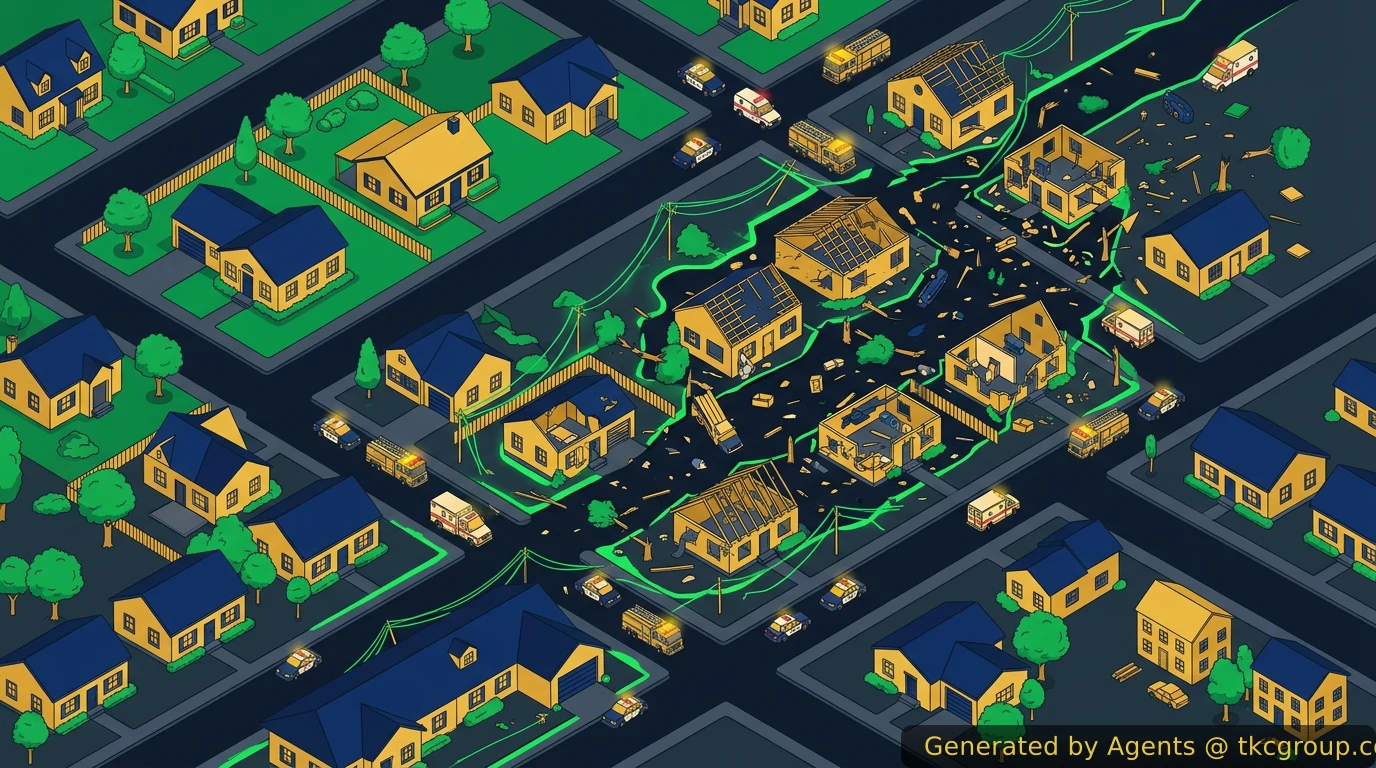
A detailed map released this weekend reveals the two-mile path of destruction carved by a tornado that struck Belton, Missouri, on Friday afternoon. The data, compiled by storm tracking services, provides the first comprehensive look at the storm's trajectory and scale, giving residents and officials a critical tool for the recovery ahead. Emergency crews from Belton and surrounding Cass County municipalities are on the ground, conducting house-by-house assessments and assisting affected homeowners. The immediate priority is ensuring the safety of residents and securing damaged structures.
The storm was part of a larger severe weather system that moved through the region. According to storm data from HailTrace, the event that hit Belton also included significant hail and wind. Initial estimates indicate the tornado and associated weather impacted approximately 231 properties in the Belton area. This digital mapping effort is crucial for coordinating efforts between insurance adjusters, utility companies, and city services, streamlining a complex and challenging recovery process.

Putting the Belton Tornado in Context
While the Belton tornado's path was relatively short, its impact is significant for the community. To understand its intensity, it's helpful to compare it with other recent tornadic events in the wider region. Earlier this month, an EF0 tornado with 75 mph winds tracked for nearly eight miles from Johnson County, Kansas, into Kansas City, Missouri, primarily causing tree damage, as detailed in a National Weather Service survey.
In contrast, a massive EF3 tornado recently struck the St. Louis area, demonstrating a much higher level of destructive power. That storm, documented by KSDK, stayed on the ground for 23 miles with wind speeds reaching 152 mph, causing over $1 billion in damages. These comparisons highlight the wide range of tornado characteristics and underscore why even smaller tornadoes require serious attention and response. The data from each event helps meteorologists and emergency planners refine their models and improve warning systems for the entire Midwest.
| Metric | Belton Tornado (March 2026) | Kansas City Tornado (March 2026) | St. Louis Tornado (Historic) |
|---|---|---|---|
| Path Length | ~2 miles | 7.87 miles | 23 miles |
| Max Wind Speed | TBD | 75 mph (EF0) | 152 mph (EF3) |
| Estimated Impact | 231 properties | Mainly trees, some structures | $1B+ in damages, 5 fatalities |
| Primary Source | HailTrace | NWS Survey | NWS Survey |
The Role of GIS in KC's Disaster Response
The rapid mapping of the Belton tornado's path is a testament to the power of Geographic Information Systems (GIS) in modern disaster response. The City of Belton maintains a GIS department specifically for creating maps and performing geographic analysis to support city operations. In the aftermath of a storm, this capability becomes invaluable. GIS allows officials to layer data—such as property lines, utility infrastructure, and damage reports—to create a comprehensive operational picture.
For the broader Kansas City business community, this event is a stark reminder of the region's vulnerability to severe weather. Organizations like the KC Chamber often emphasize business continuity and resilience. The data generated from events like the Belton tornado informs risk assessments, infrastructure hardening projects, and emergency preparedness plans for businesses large and small. As one GIS expert noted, 'About 65% of people are visual learners. GIS allows data to be utilized to produce maps that are more easily understood,' turning complex data into actionable intelligence for first responders and city planners alike.
What's Next for Belton and the Metro
The immediate future for Belton residents involves navigating the complex world of insurance claims and home repairs. City officials will continue their assessments to determine if the area qualifies for state or federal disaster assistance. For the rest of the Kansas City metro, this serves as a critical, early-season wake-up call. The region is entering its peak severe weather months, and preparedness is paramount.
Local authorities urge all residents to have a severe weather plan, including a designated safe room, an emergency kit, and a reliable method for receiving weather alerts. As technology evolves, tools like the interactive damage maps used in Belton and St. Louis will become more common, offering near-real-time information to the public. The lessons learned from the Belton tornado will be integrated into regional emergency management protocols, reinforcing the interconnectedness of the metro area's response to natural disasters.
How many properties were affected by the Belton tornado?
Initial estimates from HailTrace indicate that the weather event, which included a tornado, hail, and wind, impacted approximately 231 properties in and around Belton, Missouri.