

A Task Force to Chart the Future
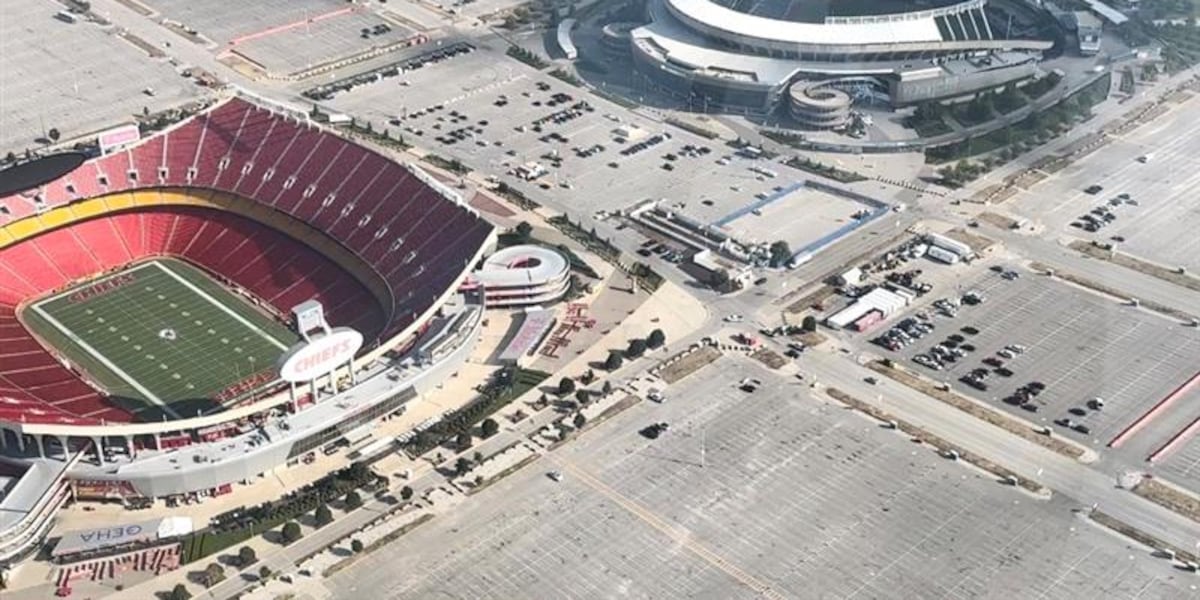
Jackson County is officially planning for life after the Chiefs and Royals. With both teams expected to depart the Truman Sports Complex by 2031, County Executive Phil LeVota has assembled a 12-member task force to reimagine the nearly 400-acre site. Announced on April 15, 2026, the group has a tight 90-day deadline to develop a long-term vision for one of the county's most significant assets.
The Sports Complex Redevelopment Task Force began its work on April 22, bringing together a diverse group of regional leaders. The roster includes Kathy Nelson, President & CEO of Visit KC; Bruce Miller, Global Chairman of stadium architecture firm Populous; and Tom Gerend, Executive Director of the KC Streetcar Authority. Their mandate is to explore development concepts that spur economic growth, create jobs, and ensure the property has year-round use, a stark contrast to its current seasonal functionality.
“I want to thank each of these individuals for stepping up and taking on this monumental opportunity to reimagine the Truman Sports Complex,” LeVota stated, as reported by KMBC and KCTV5. “The work ahead is important, and I appreciate their willingness to bring their time, expertise, and perspective to help shape what this site can become for Jackson County.” The process will include community engagement to ensure the final recommendations reflect the public's desires for the historic site.

A Visionary Past: The Birth of a Twin-Stadium Marvel
The current debate over the complex's future echoes the bold decisions made nearly 60 years ago. In the 1960s, many advocated for a single, multi-use domed stadium downtown. However, a forward-thinking group of Jackson County leaders championed a different, more radical idea. Led by Presiding Judge Charles E. Curry, the county pushed for a twin-stadium complex dedicated specifically to baseball and football, a first of its kind.
This vision was part of a $102 million general obligation bond package put before voters in June 1967. The stadium proposal, priced at $43 million, was the largest item on the ballot. As detailed by the Jackson County Historical Society, the plan was to build on 384 acres in the Leeds district, a location chosen for its easy access to the newly constructed I-70 and I-435 highways. The design even included a futuristic rolling roof, though it was later scrapped due to cost concerns.
The proposal was not without its critics. Lumber executive Frank Paxton, Jr., warned Kansas City Mayor Ilus Davis that businessmen wouldn't “subsidize a baseball fiasco at Leeds.” But Curry, along with fellow judges Charles Wheeler and Alex Petrovic, campaigned tirelessly under the “Committee for County Progress” slate, ultimately winning public support for their ambitious project.
The Truman Endorsement: How a President Secured KC's Sporting Future
The 1967 bond vote faced an uncertain outcome until a crucial endorsement came from Jackson County's most famous resident: former President Harry S. Truman. Less than two weeks before the vote, judges visited Truman at his Independence home. According to accounts shared by The Kansas City Star, Truman, who had championed a similar county bond issue in the 1920s, was already well-informed and supportive.
When asked if they could publicize his endorsement, Truman replied, “most certainly.” His wife, Bess, an avid baseball fan, reportedly added, “Why, of course we’re for the bonds.” This presidential seal of approval is widely credited with securing the victory. All seven bond measures passed, with the stadium proposition earning an overwhelming 69% of the vote.
In 1970, in recognition of his pivotal support and lifetime of service, the Jackson County Court, on a resolution introduced by Judge Alex Petrovic, officially named the site the Harry S. Truman Sports Complex. Petrovic championed it as a “living memorial” to the former president. While Truman was famously humble, he accepted the honor, provided it was clear he had not suggested it himself. This act cemented the link between the president's legacy and Kansas City's sporting identity.
Who is on the Truman Sports Complex Redevelopment Task Force?
The 12-member task force includes prominent figures from local government, business, and sports sectors. Key members include Kathy Nelson (President & CEO, Visit KC), Bruce Miller (Global Chairman, Populous), Tom Gerend (Executive Director, KC Streetcar Authority), Robb Heineman (Managing Partner, Eight Nine Ten Holdings), and Eileen Weir (Former Mayor of Independence), among others.
What's Next: A Monumental Opportunity and a Heavy Responsibility
The task force now holds the responsibility of honoring the site's history while creating a plan for its economic future. The challenge is immense: transform a 400-acre, county-owned property dominated by two massive stadiums and vast parking lots into a vibrant, year-round destination. The departure of the Kansas City Chiefs and Kansas City Royals presents a once-in-a-generation opportunity for redevelopment, but also risks erasing a key part of the city's identity.
The naming itself is a point of contention. As reported by AOL, the original naming was not a foregone conclusion. Chiefs executive Jack Steadman argued against naming stadiums after political figures in 1969, but Judge Alex Petrovic successfully pushed for the honor to Truman. Now, with the stadiums likely to be demolished, it's unclear if or how the name will be preserved. The task force's final recommendations, due in mid-July 2026, will be the first official glimpse into a post-Chiefs, post-Royals future for the grounds that Harry S. Truman helped build.

Sources
- Jackson County names Truman Sports Complex task force members 2026-04-15
- Jackson County launches task force to decide fate of Truman Sports Complex 2026-04-15
- With future of Truman Sports Complex unclear, its name still matters. Here’s why 2026-04-16
- For World Cup, Truman Library exhibit celebrates sports ties 2026-04-26
- ITS FUTURE UNCERTAIN; ITS PAST A BLAST: How Jackson County Built the Truman Sports Complex 2024-08-08
- Family of judge who advocated for Truman Sports Complex shares story 2026-04-26